
David Bowie (1967) – The Story Behind the Album Cover
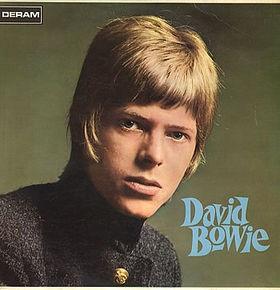
Image: David Bowie World collection / editorial use
David Bowie, released in 1967 on Deram Records, introduced the world to a very different Bowie from the one who would later become Ziggy Stardust, Aladdin Sane or the Thin White Duke. The album cover reflected that early identity perfectly: clean, theatrical, youthful and deeply rooted in London’s mid-1960s mod culture.
Today, the sleeve is fascinating precisely because it looks so unlike the Bowie most people know. There is no glam-rock imagery, no science-fiction symbolism and no androgynous visual shock. Instead, the cover presents a young David Jones reinventing himself as “David Bowie” for the very first time.
- Album: David Bowie
- Released: 1 June 1967
- Label: Deram Records
- Photographer: Gerald Fearnley
- Visual style: Mod / theatrical pop
- Period: Pre-Ziggy / pre-glam Bowie
- Original name: First album released as “David Bowie”
The very first Bowie album sleeve
The 1967 David Bowie cover is historically important because it was the first time David Jones officially presented himself to the public under the name David Bowie.
At the time, Bowie was still searching for a stable artistic identity. He had moved through rhythm and blues groups, mod culture, mime studies and theatrical songwriting before arriving at the material recorded for Deram Records.
The album cover reflects that uncertainty and experimentation. Bowie appears polished and stylish, but still very far removed from the visual extremity that would later define his career.
A completely different Bowie
For modern audiences, the sleeve can feel almost surprising. The young man on the cover looks closer to a fashionable London actor or art-school songwriter than the future creator of Ziggy Stardust.
His appearance was shaped heavily by the visual culture of Swinging London: mod fashion, neat haircuts, tailored jackets and theatrical presentation.
Nothing on the sleeve suggests the alien glamour, dystopian imagery or fragmented identities that Bowie would later become famous for.
Photographed by Gerald Fearnley
The album photography was created by Gerald Fearnley, who worked with Bowie during this early Deram period.
The photographs present Bowie in a highly controlled and formal way. Unlike the later Mick Rock, Duffy or Sukita images, the 1967 sleeve avoids confrontation or visual experimentation.
Instead, Bowie is presented as a young professional entertainer attempting to establish himself within the British pop market of the late 1960s.
The Deram Records image
Deram Records marketed Bowie very differently from the artist he later became.
The label positioned him somewhere between theatrical pop, cabaret-style songwriting and sophisticated British baroque pop. The album itself mixed whimsical storytelling, music-hall influences and orchestral arrangements.
The sleeve therefore needed to appear respectable, artistic and contemporary rather than rebellious or shocking.
Before glam rock existed
One reason the cover feels so historically interesting today is that it predates glam rock entirely.
There is no lightning bolt, no platform boots, no outrageous costumes and no futuristic mythology. Bowie had not yet invented the visual language that would later make him world famous.
Yet traces of the future Bowie are still visible in the theatrical posture, the carefully controlled image and the desire to turn appearance into part of the artistic statement.
The influence of London’s mod scene
The visual style of the sleeve was deeply connected to London’s mid-1960s mod culture.
Fashion, haircuts and image were becoming increasingly important within British pop music, and Bowie understood early on that visual identity mattered almost as much as sound.
The album cover reflects that environment perfectly. It feels clean, stylish and carefully managed — the image of an ambitious young London artist trying to break into the music industry.
Why the album disappeared
Commercially, the album was not successful.
Although the single Love You Till Tuesday and tracks such as Rubber Band attracted some attention, the record failed to establish Bowie as a major artist.
As a result, the original 1967 pressing remained relatively obscure for years, especially after Bowie reinvented himself completely at the start of the 1970s.
The forgotten Bowie
After Ziggy Stardust transformed Bowie into an international star, many listeners looked back at the 1967 album with surprise.
The difference between the young Deram-era Bowie and the later glam-rock Bowie seemed enormous. For some critics, the album felt disconnected from the artist Bowie eventually became.
Over time, however, fans began appreciating the record as an important document of Bowie’s early development.
The beginning of Bowie’s visual reinventions
Although visually modest compared to later Bowie sleeves, the 1967 cover remains significant because it marks the beginning of Bowie’s lifelong relationship with image reinvention.
Even here, before fame arrived, Bowie already understood that album artwork could help define character, atmosphere and identity.
The difference is that the identity itself was still forming.
A historical starting point
Today, the sleeve is often viewed less as a major standalone artwork and more as the starting point of Bowie’s visual evolution.
From this relatively restrained mod-era portrait would eventually emerge Ziggy Stardust, Aladdin Sane, Halloween Jack, the Thin White Duke and countless other Bowie identities.
That historical contrast is exactly what makes the cover fascinating today.
Legacy
The 1967 David Bowie sleeve remains an important piece of Bowie history because it captures the artist before the mythology fully existed.
It shows Bowie at the very beginning: ambitious, stylish, experimental and still searching for the visual language that would eventually change rock music forever.
What later became one of the most visually adventurous careers in popular culture started with this remarkably restrained debut sleeve.
Article origin
This page was created using historically verified information surrounding David Bowie’s 1967 Deram debut album, Gerald Fearnley photography, early Bowie archive material and documented information about Bowie’s pre-glam visual identity.
The Original 1967 Back Cover

Image: David Bowie World collection / editorial use
Deram Records marketed Bowie very differently from the artist he later became.
The label positioned him somewhere between theatrical pop, cabaret-style songwriting and sophisticated British baroque pop. The album itself mixed whimsical storytelling, music-hall influences and orchestral arrangements.
The sleeve therefore needed to appear respectable, artistic and contemporary rather than rebellious or shocking.