Scary Monsters (And Super Creeps) (1980) – The Story Behind the Album Cover
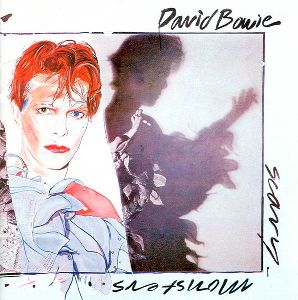
Image: David Bowie World collection / editorial use
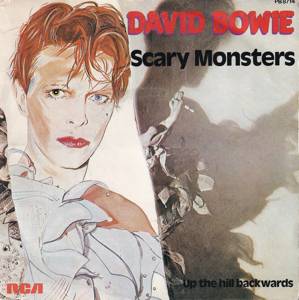
Released in September 1980, Scary Monsters (And Super Creeps) marked the end of one of the most creative decades in David Bowie’s career. After the experimental years that produced Low, “Heroes“ and Lodger, Bowie returned with an album that looked both backwards and forwards at the same time.
The cover reflected that idea perfectly. Combining photography, painting and graphic design, the sleeve became one of the most sophisticated visual statements of Bowie’s career.
- Album: Scary Monsters (And Super Creeps)
- Released: 12 September 1980
- Photographer: Brian Duffy
- Artwork: Edward Bell
- Costume designer: Natasha Korniloff
- Character: Pierrot
- Label: RCA Records
- Producer: David Bowie & Tony Visconti
The Return of Brian Duffy
The cover reunited Bowie with photographer Brian Duffy, one of the most important visual collaborators of his career.
Duffy had previously photographed Bowie for several landmark projects, including Aladdin Sane, Lodger and numerous publicity sessions throughout the 1970s.
By 1980 Duffy had largely stepped away from professional photography, but Bowie persuaded him to return for one final album-cover session. The resulting photographs became the last of their famous “Five Sessions” collaborations.
The Pierrot Character
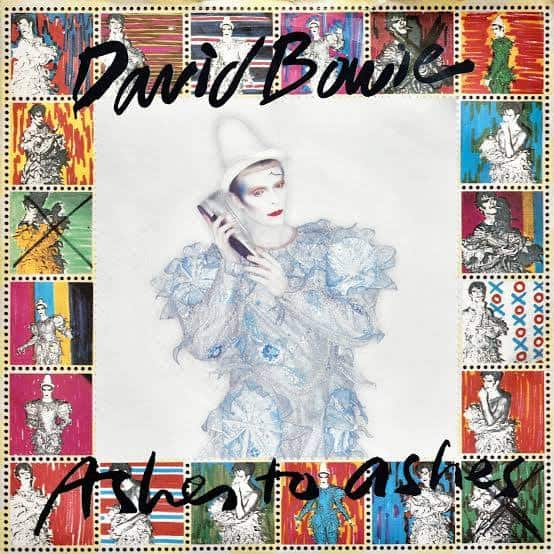
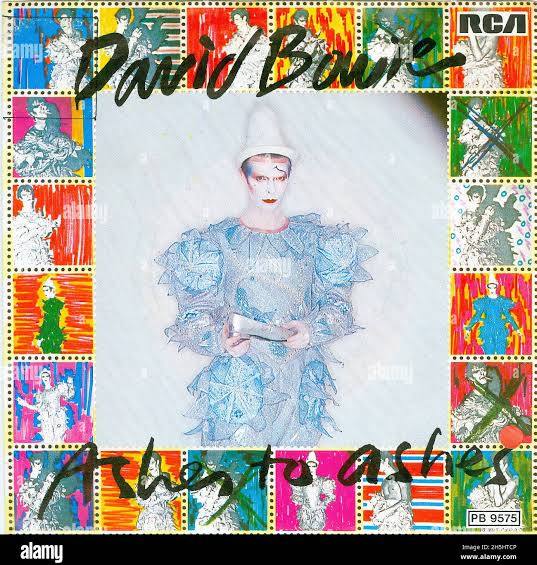
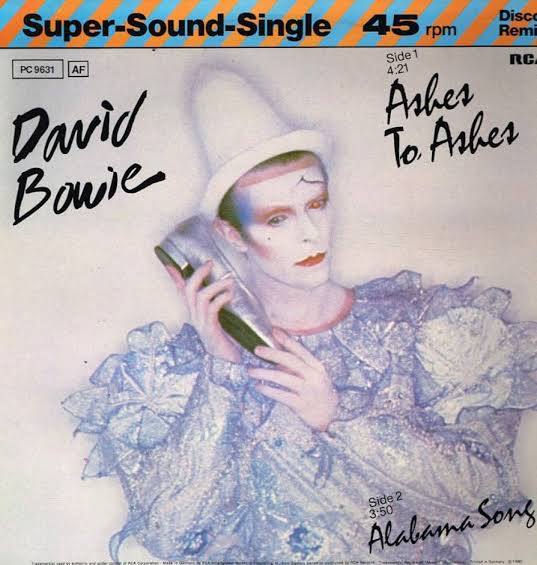
For the cover Bowie appeared as Pierrot, the melancholy clown from the Commedia dell’arte tradition.
The character was not chosen by accident. Bowie had studied mime with Lindsay Kemp in the late 1960s and had performed in Kemp’s theatrical production Pierrot in Turquoise. The figure therefore connected directly to Bowie’s artistic roots.
The Pierrot image would become one of the defining visual symbols of Bowie’s early 1980s period.
Natasha Korniloff and the Costume
The costume was created by designer Natasha Korniloff, who had worked with Bowie since the late 1960s.
According to Duffy Archive sources, Bowie asked Korniloff to create “the most beautiful clown in the circus”. The resulting outfit combined traditional Pierrot elements with a distinctly modern Bowie aesthetic.
The same costume would also appear in the groundbreaking video for Ashes To Ashes, forever linking the album cover and the video together.
Photography Meets Painting
Unlike many Bowie sleeves, the final artwork was not simply a photograph.
Brian Duffy supplied the photographic images, but Bowie also commissioned artist Edward Bell to transform them into a large-scale mixed-media artwork.
Bell incorporated painting, collage and graphic elements around Duffy’s photographs, creating a design that felt both nostalgic and contemporary. The finished sleeve became a hybrid of photography and fine art rather than a traditional record cover.
The Smoking Pierrot
One of the most memorable details of the cover is Bowie’s expression and posture. Rather than presenting a cheerful clown, he appears weary, reflective and slightly damaged.
During the session Bowie gradually distressed the costume and makeup, transforming the pristine Pierrot into a more fragile and human figure. This perfectly suited the themes of memory, identity and self-reflection that run throughout the album.
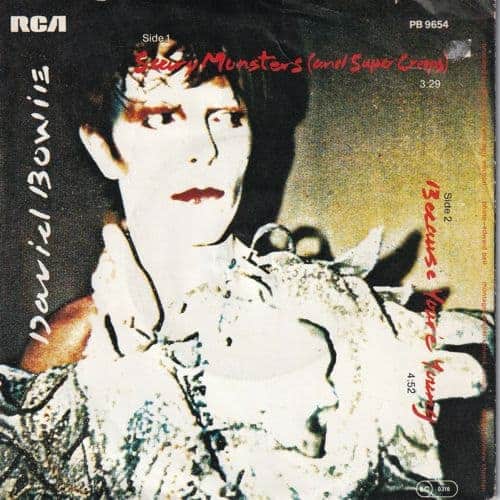
The Original Back Cover
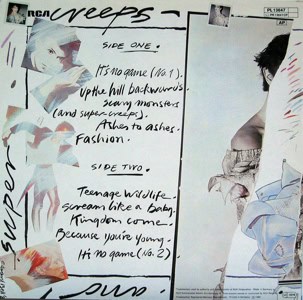
Image: David Bowie World collection / editorial use
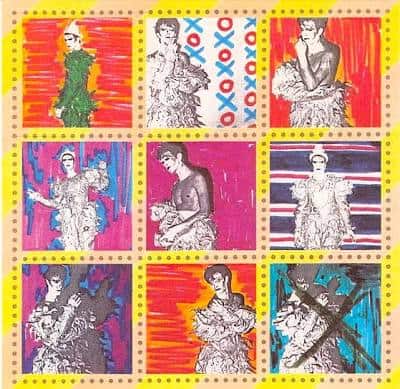
The original back cover was much more than a simple tracklisting panel.
Edward Bell’s artwork incorporated visual references to several of Bowie’s earlier albums, creating a deliberate retrospective of the previous decade.
Among the images were recognisable echoes of Aladdin Sane, Low, “Heroes“ and Lodger. These references transformed the sleeve into a visual summary of Bowie’s extraordinary artistic journey throughout the 1970s.
The design reinforced the feeling that Scary Monsters (And Super Creeps) represented both an ending and a new beginning. Bowie was looking back at the characters and ideas that had defined the previous decade while preparing to move into a completely different phase of his career.
Looking Back at the Seventies
By 1980 Bowie had already created an astonishing sequence of artistic reinventions: Ziggy Stardust, Aladdin Sane, Halloween Jack, the Thin White Duke and the experimental Berlin period.
The artwork of Scary Monsters subtly acknowledged that history. Rather than introducing an entirely new visual identity, Bowie chose to reflect upon the personas and images that had shaped his reputation.
This sense of reflection also appeared throughout the music. Songs such as Ashes To Ashes revisited earlier themes and characters, most famously Major Tom from Space Oddity.
The Final Bowie–Duffy Masterpiece
The album cover also marked the end of one of the most important creative partnerships in rock history.
Brian Duffy had helped define Bowie’s visual image throughout the 1970s, producing some of the most recognisable photographs in popular culture.
Their work together on Scary Monsters became the final chapter in a remarkable collaboration that included some of the most celebrated album covers ever created.
A Cover Between Two Eras
One reason the sleeve remains so fascinating is that it exists between two distinct periods of Bowie’s career.
It closes the experimental and highly artistic decade of the 1970s while simultaneously pointing toward the more commercially successful years that would follow.
The mixture of nostalgia, elegance and self-awareness gives the artwork a unique place within Bowie’s catalogue.
Legacy
Today, Scary Monsters (And Super Creeps) is widely regarded as one of David Bowie’s greatest albums, and its cover is considered one of the strongest visual statements of his career.
The collaboration between Brian Duffy, Edward Bell, Natasha Korniloff and Bowie himself produced a sleeve that blended photography, painting and performance into a single work of art.
The Pierrot figure remains one of Bowie’s most recognisable images, while the hidden references to earlier albums give the cover an added layer of meaning for long-time fans.
More than four decades after its release, the artwork continues to be admired as a perfect visual summary of Bowie’s remarkable 1970s journey and one of the finest album covers of the era.
Article origin
This page was created using historically verified information surrounding the creation of the Scary Monsters (And Super Creeps) album cover, including documented material from the Brian Duffy Archive, contemporary RCA Records artwork sources, Edward Bell artwork documentation and Bowie archive research.
Additional historical context was drawn from interviews with Brian Duffy, Natasha Korniloff and collaborators involved in the album’s visual development, together with research into the connections between the album artwork and the Ashes To Ashes period.