
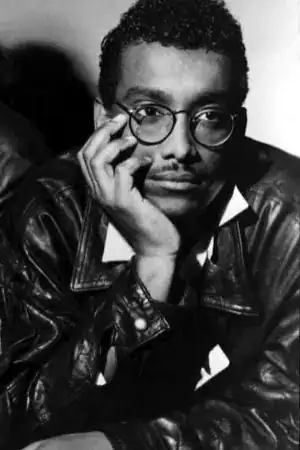
Tony Thompson – The Groove Behind David Bowie’s Let’s Dance Era
Photo: Unknown photographer / Wikimedia Commons / CC BY-SA 3.0 (editorial use)
Tony Thompson (21 November 1954 – 12 November 2003) was one of the most formidable drummers of his generation and a crucial rhythmic force in David Bowie’s 1980s transformation.
Best known from Chic, Thompson helped power Bowie’s blockbuster Let’s Dance album and the monumental Serious Moonlight Tour, bringing groove, precision and explosive rock energy.
- Born: 21 November 1954, New York City
- Died: 12 November 2003, Los Angeles
- Role: Drummer / Percussionist
- Bowie connection: Let’s Dance + Serious Moonlight Tour
- Key Bowie tracks: Let’s Dance, Modern Love, China Girl, Without You
- Also known for: Chic, Power Station, Robert Palmer
The Chic connection
Tony Thompson arrived in Bowie’s orbit through producer Nile Rodgers, who brought not only his production vision to Let’s Dance but much of Chic’s rhythmic DNA.
Together with bassist Bernard Edwards, Thompson formed the engine room behind one of Bowie’s most commercially successful and musically tight albums.
Building the sound of Let’s Dance
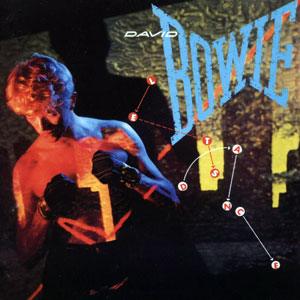
Although often associated with the title track, Thompson’s contribution runs through the whole album. His drumming drives Modern Love, China Girl, Without You, Cat People (Putting Out Fire) and Shake It.
His feel was both disciplined and physical — combining funk precision with huge rock impact. That balance helped make Let’s Dance unique.
“Without You” and restraint

Video: Without You
-
Video: Without You
One of the finest examples of Thompson’s subtlety appears on Without You. Rather than overpowering the song, he uses space, pulse and dynamic control to support Bowie’s vulnerable vocal. It is a reminder that Thompson’s power was never merely volume — it was placement.
One of the finest examples of Thompson’s subtlety appears on Without You. Rather than overpowering the song, he uses space, pulse and dynamic control to support Bowie’s vulnerable vocal.
It is a reminder that Thompson’s power was never merely volume — it was placement.
Serious Moonlight Tour
Tony Thompson’s role became even larger on the Serious Moonlight Tour (1983–84), where he helped propel one of Bowie’s greatest live bands.
Alongside Carlos Alomar, Carmine Rojas and Earl Slick, he gave the stage performances enormous momentum and raw energy. His drumming transformed Bowie’s catalogue into something harder, louder and more explosive.
Three musicians from Queens
Thompson often loved recalling that he, Carlos Alomar and Carmine Rojas were “three black cats from Queens playing serious rock ’n’ roll behind David Bowie.”
It reflected something important about Bowie: he welcomed musicians for imagination and fire, not category.
The big drum sound of the 1980s
Few drummers defined the sound of the 1980s more than Tony Thompson. His massive live-room drum sound became a signature heard on Bowie, Madonna, Robert Palmer and The Power Station.
As Thompson himself said, there was no secret trick — just a great kit, a live room and hitting very hard.
Rock power and groove
Though often associated with Chic’s grooves, Thompson’s deepest influences included John Bonham, Ginger Baker and Tony Williams. That fusion of groove and rock aggression made him unique.
It also made him ideal for Bowie, whose music in 1983 sat precisely between dance sophistication and arena rock.
A master collaborator
What made Thompson exceptional was not simply technical ability, but his instinct for serving a song. Whether pushing a stadium anthem or supporting a ballad, he played for emotional impact.
That quality made him one of Bowie’s great 1980s collaborators.
Legacy in Bowie’s universe
Within Bowie’s constellation of musicians, Tony Thompson represents power without excess, discipline without rigidity, and groove elevated into architecture.
His work helped make Let’s Dance not simply a successful pop record, but one of the most rhythmically compelling albums Bowie ever made.
Video: Painfully Underrated Drummers Episode 1: Tony Thompson
Further significance
When Bowie moved from Berlin-era experimentation into global superstardom, Tony Thompson helped make that transition sound muscular, modern and alive.
His contribution was never merely that of a session drummer — he was part of the machinery that made Bowie’s 1983 reinvention work.