

Iggy Pop – Brotherhood, Survival and Berlin
Iggy Pop is an American singer, songwriter and performer, widely regarded as the “Godfather of Punk,” whose creative and personal relationship with David Bowie became one of the most important collaborations in rock history.
Their partnership in the 1970s, particularly during the Berlin era, reshaped both artists — combining Bowie’s artistic vision with Iggy’s raw, instinctive energy.
- Real name: James Newell Osterberg Jr.
- Born: April 21, 1947 – Muskegon, Michigan, USA
- Known for: Singer, “Godfather of Punk”
- Bands: The Stooges, solo career
- Bowie connection: Berlin era collaboration
- Key albums: The Idiot (1977), Lust for Life (1977)
From chaos to collaboration
By the mid-1970s, Iggy Pop had reached a breaking point. After the collapse of The Stooges and years of excess, he was physically and mentally exhausted. It was David Bowie who stepped in, offering support, structure and a chance to rebuild.
Bowie brought Iggy along on tour and encouraged him to step away from the destructive Los Angeles lifestyle. Together, they relocated to Berlin — a city that would become central to both of their artistic reinventions.
The Berlin years
In Berlin, Bowie and Iggy adopted a more disciplined way of living, focusing on music, art and recovery. Their collaboration resulted in two landmark albums: The Idiot and Lust for Life, both released in 1977.
Bowie played a major role as co-writer, producer and musician, helping shape a sound that combined experimental electronics, driving rhythms and emotional depth. Songs such as “China Girl”, “Nightclubbing” and “Lust for Life” became defining works of the era.
Creative balance
The partnership worked because of contrast. Bowie brought structure, direction and sonic experimentation, while Iggy delivered raw energy, immediacy and emotional honesty.
This balance allowed both artists to rediscover their creative identities, resulting in some of the most influential recordings of the late 1970s.
Lasting impact
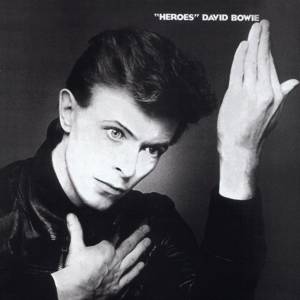
The Berlin period influenced not only Iggy Pop’s solo career but also Bowie’s own work, particularly the albums Low, “Heroes” and Lodger.


Their collaboration continued in later years, most notably when Bowie re-recorded “China Girl” for his Let’s Dance album in 1983, bringing the song to a global audience.


Legacy
Iggy Pop and David Bowie represent two sides of the same artistic force — one raw and instinctive, the other visionary and controlled. Together, they created a body of work that remains essential to the history of modern music.
Their story is one of friendship, survival and artistic rebirth — a rare example of two artists helping each other not only to create, but to endure.