
David Bowie at Earls Court (1978)
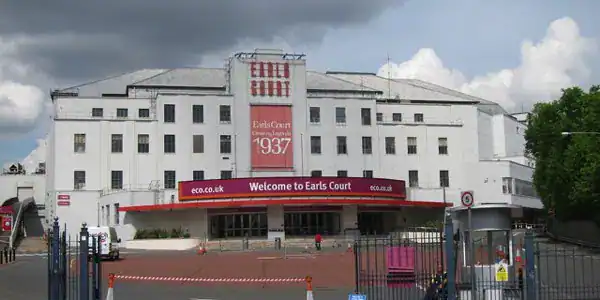
Image: David Bowie World collection / editorial use
David Bowie’s performances at Earls Court in July 1978 stand among the most important concerts of his late 1970s career. Taking place during the Isolar II Tour, these shows captured Bowie at a moment of profound artistic reinvention, following the experimental Berlin period.
The concerts on 1 and 2 July 1978 brought together material from across Bowie’s career, but reinterpreted through a new, stripped-down and rhythm-driven sound that reflected his collaborations with :contentReference[oaicite:1]{index=1} and :contentReference[oaicite:2]{index=2}.
- Venue: Earls Court, London
- Dates: 1 & 2 July 1978
- Tour: Isolar II World Tour
- Era: Berlin Trilogy period
- Live document: :contentReference[oaicite:3]{index=3} (tour recordings)
1978: A defining Bowie moment
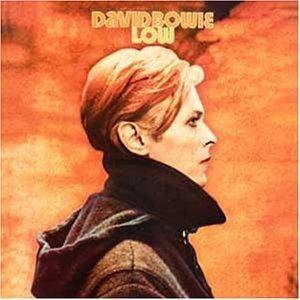


By 1978, David Bowie had undergone one of the most radical transformations of his career. After relocating to Berlin in 1976, he collaborated closely with Brian Eno and Tony Visconti, producing the albums Low and “Heroes”, which redefined his sound through minimalism, electronic textures and fragmented song structures.
The Earls Court concerts brought this new artistic direction to a large-scale live audience. Rather than revisiting his past in a nostalgic way, Bowie reshaped earlier songs to fit the stark, modern aesthetic of his late 1970s work.
The Isolar II Tour sound
The Isolar II Tour was markedly different from Bowie’s earlier theatrical productions. Gone were the elaborate stage sets of the Ziggy Stardust or Diamond Dogs eras. Instead, the focus shifted toward music, atmosphere and performance precision.
Songs such as “Heroes”, “Warszawa” and “Sound and Vision” coexisted with reworked versions of earlier material like “Fame” and “Ziggy Stardust”, all unified by a tighter, more controlled sonic approach.
The band and performance style
Bowie was supported by a highly skilled band that included guitarist Adrian Belew, whose expressive and unconventional playing became a defining element of the 1978 sound.
The performances were intense yet disciplined, with Bowie adopting a more reserved stage presence compared to his earlier flamboyant personas. This restraint gave the music greater emotional weight and clarity.
Connection to “Stage”
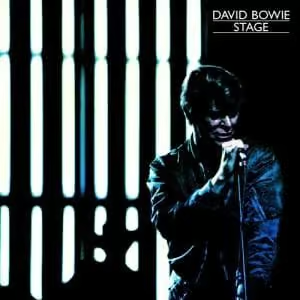
Material from the Isolar II Tour was later released on the live album Stage (1978). While the album draws from multiple performances on the tour, it reflects the same sonic environment and artistic vision heard at Earls Court.
The recordings capture Bowie’s transition into a more experimental and disciplined live performer, balancing avant-garde material with accessible song structures.
Historical importance of Earls Court 1978
The Earls Court concerts are often regarded as a culmination of Bowie’s Berlin-era experimentation translated into a large venue setting. They demonstrated that his new direction was not confined to the studio, but could be successfully realised on stage.
These performances also marked a turning point: after 1978, Bowie would again shift direction, moving toward a more accessible sound in the early 1980s. As such, the Earls Court shows stand as a defining endpoint of one of his most innovative periods.
Legacy
Today, the 1978 Earls Court concerts are remembered as some of the most artistically significant live performances of David Bowie’s career. They capture a rare balance between experimentation and accessibility, discipline and emotion.
For many listeners and historians, these shows represent Bowie at his most intellectually ambitious — an artist fully in control of his evolution, yet still pushing forward into new territory.