

The Berlin Trilogy
The Berlin Trilogy refers to three interconnected David Bowie albums — Low (1977), “Heroes” (1977) and Lodger (1979) — that together represent one of the most radical reinventions in popular music history.
Created during a period of personal recovery and artistic renewal, these records reshaped Bowie’s sound by embracing electronic textures, fragmentation and emotional restraint.
- Period: 1977–1979
- Albums: Low, “Heroes”, Lodger
- Main collaborators: Brian Eno, Tony Visconti
- Recorded in: Berlin, France, Switzerland
Escape to Berlin
In the mid-1970s, David Bowie’s life had become increasingly unstable, dominated by cocaine addiction, paranoia, and a growing sense of creative exhaustion. The relentless pace of fame, combined with the pressures of maintaining his larger-than-life persona, had begun to take a serious toll on both his mental and physical health. Bowie found himself trapped in a cycle of excess and isolation, surrounded by the glitter of Los Angeles yet feeling profoundly disconnected from reality. The city that once symbolized success and opportunity had turned into a suffocating environment that fueled his worst habits.
Desperate for change, Bowie made the bold decision to leave behind the chaos of Los Angeles and relocate to Berlin, a city that, at the time, stood as a powerful symbol of division, tension, and transformation. Berlin in the 1970s was a place unlike any other—physically and ideologically split by the Berlin Wall, shaped by Cold War anxieties, and yet thriving as a hub of underground art, music, and counterculture. It was precisely this contrast—the mixture of darkness and creative energy—that drew Bowie in.
Seeking anonymity and recovery, Bowie settled in West Berlin, far removed from the intrusive spotlight of international fame. Unlike the celebrity-saturated environments he was used to, Berlin allowed him to blend in. He could walk the streets, visit cafés, and explore the city without constant attention. This newfound sense of normalcy became essential to his healing process. For the first time in years, Bowie had the space to reflect, to slow down, and to reconnect with himself beyond the expectations of the public eye.
Berlin offered Bowie more than just distance from his former life; it provided fertile ground for artistic reinvention. The city’s raw, unpolished atmosphere—marked by its scarred architecture, political tension, and experimental art scene—deeply influenced his creative direction. He became fascinated with European art movements, electronic music, and minimalist soundscapes. This period marked a significant departure from his earlier glam rock style, pushing him toward a more introspective and avant-garde approach.
Living in a modest apartment and adopting a quieter lifestyle, Bowie began to rebuild his daily routine. He focused on healthier habits, reducing his drug use and immersing himself in creative work. He spent time painting, writing, and collaborating with other artists who shared his interest in pushing boundaries. The sense of freedom he found in Berlin allowed him to experiment without fear of commercial expectations or critical judgment.
The city itself became a source of inspiration. The ever-present Berlin Wall stood as a stark reminder of division—not only political, but also personal and emotional. This theme of fragmentation and the longing for unity would later echo throughout his work. Bowie absorbed the sounds and textures of the city: the distant hum of trains, the industrial noise, and the quiet intensity of a place caught between worlds.
Equally important was the sense of community Bowie discovered. Berlin’s artistic circles were filled with individuals who valued innovation over fame, authenticity over spectacle. This environment encouraged collaboration and risk-taking. Surrounded by like-minded creatives, Bowie found renewed motivation and a sense of belonging that had been missing from his life for years.
Over time, Berlin became more than just a refuge—it became a catalyst for transformation. Bowie’s time there marked one of the most important phases of his career, often referred to as his “Berlin period.” It was during this era that he redefined his artistic identity, embracing experimentation and emotional depth. The struggles he faced before arriving in Berlin did not disappear overnight, but within the city’s unique atmosphere, he found the strength and clarity to confront them..
Ultimately, Bowie’s escape to Berlin was not simply about fleeing a destructive lifestyle; it was about rediscovering purpose. In a city defined by division, he found a path toward integration—of mind, body, and creativity. Berlin gave him the opportunity to step away from the noise of fame and reconnect with the essence of who he was as an artist and as a person.
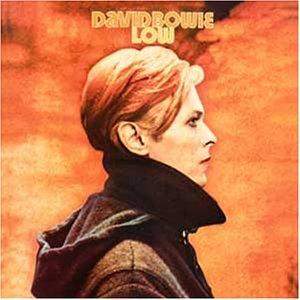
Low (1977)
Low, the groundbreaking 1977 album by :contentReference[oaicite:0]{index=0}, marked a radical departure from the conventional rock structures that had defined much of his earlier work. Rather than relying on fully developed narratives and traditional song formats, Bowie embraced a more fragmented, introspective, and experimental approach. The album was created during his transformative period in :contentReference[oaicite:1]{index=1}, where he sought both personal recovery and artistic reinvention.
One of the most distinctive aspects of Low is its split structure. The first half consists of short, fragmented songs that often feel abrupt and emotionally restrained. Tracks such as “Sound and Vision” and “Be My Wife” combine catchy elements with minimalistic production, creating a sense of tension between accessibility and emotional distance. The lyrics are often sparse and abstract, reflecting Bowie’s introspective state of mind and his attempt to process a period of instability and change.
In contrast, the second half of the album moves almost entirely into instrumental territory. These ambient compositions, heavily influenced by electronic music and avant-garde experimentation, were developed in close collaboration with :contentReference[oaicite:2]{index=2}. Together, they crafted atmospheric soundscapes that evoke a sense of isolation, introspection, and quiet intensity. The music often feels cinematic, capturing the mood of a divided Europe during the Cold War and mirroring the emotional landscape Bowie was navigating at the time.
What makes Low particularly compelling is the way it merges the personal with the experimental. The album can be seen as a sonic reflection of Bowie’s internal struggles, using unconventional structures, repetition, and space to communicate feelings that words alone cannot fully express. Its fragmented nature invites listeners to engage more actively, interpreting mood and meaning rather than following a clear narrative.
Upon its release, Low received mixed reactions from critics and audiences. Some were puzzled by its unconventional format and lack of traditional cohesion, while others immediately recognized it as a bold and visionary step forward. Over time, however, the album has come to be widely regarded as one of Bowie’s most influential works, helping to shape the development of post-punk, ambient, and electronic music.
Today, Low stands as a landmark in David Bowie’s career and as the starting point of his celebrated “Berlin Trilogy.” It demonstrates his willingness to take creative risks and redefine his artistic identity, ultimately producing a work that remains innovative, influential, and deeply resonant decades after its release.
The record introduced a new emotional language — detached, restrained, and inward — influenced by electronic music, minimalism, and krautrock. This shift reflected Bowie’s move away from expressive rock traditions toward a more atmospheric and introspective sound.
“Heroes” (1977)
“Heroes”, released in 1977 by :contentReference[oaicite:0]{index=0}, stands as one of the defining works of his Berlin period and a powerful continuation of the experimental direction introduced on Low. Recorded largely at the legendary :contentReference[oaicite:1]{index=1}, located just a short distance from the Berlin Wall, the album captures the unique atmosphere of a city divided both physically and ideologically. The proximity of the Wall was not merely symbolic—it became an integral part of the album’s emotional and sonic identity.
Building on the sonic innovations of Low, “Heroes” further explores the fusion of electronic textures, ambient soundscapes, and art rock. However, unlike its predecessor, the album reintroduces more conventional song structures, making it slightly more accessible while still maintaining a strong experimental edge. This balance between structure and abstraction allows the album to feel both immediate and deeply atmospheric, appealing to a broader audience without sacrificing artistic ambition.
A key element in shaping the album’s sound was Bowie’s continued collaboration with :contentReference[oaicite:2]{index=2}, whose influence is particularly evident in the instrumental passages and the album’s textured production. Alongside producer Tony Visconti, they experimented with innovative recording techniques, including the use of ambient microphones to capture natural reverb and spatial depth. This gave the music a sense of openness and scale, as if it were echoing through the vast, tense landscape of Cold War Berlin.
The album retains the dual structure introduced on Low. The first half consists of more traditional songs, though still infused with experimental elements, while the second half delves into instrumental and ambient compositions. Tracks such as “Beauty and the Beast” and “Joe the Lion” showcase a raw, driving energy, whereas the instrumental pieces on the second side evoke a more contemplative and introspective mood, reflecting Bowie’s continued fascination with atmosphere and emotion over conventional storytelling.
At the heart of the album lies its title track, “Heroes,” which has become one of Bowie’s most iconic and enduring songs. Inspired in part by a real-life moment observed near the Berlin Wall, the song tells the story of two lovers meeting in the shadow of division, finding a fleeting sense of freedom and connection. The track builds gradually from a restrained beginning to a powerful, almost cathartic climax, driven by Bowie’s increasingly impassioned vocal performance. It embodies themes of hope, defiance, and the human capacity to find meaning even in the most constrained circumstances.
What makes “Heroes” particularly compelling is the way it captures both the personal and the political without explicitly addressing either. The album reflects Bowie’s own journey of recovery and reinvention, while also resonating with the broader context of a city and a world defined by division. The tension between confinement and freedom, isolation and connection, runs throughout the record, giving it a timeless emotional depth.
Upon its release, “Heroes” was met with generally positive reviews, though its full significance would grow over time. Today, it is widely regarded as one of Bowie’s greatest achievements and a cornerstone of his Berlin Trilogy. Its influence can be heard across a wide range of genres, from post-punk to ambient and beyond, and its title track continues to serve as a universal anthem of resilience and hope.
Much like Low, the album represents a bold step away from traditional rock conventions, while still maintaining a strong emotional core. It refines the experimental language Bowie had begun to develop, combining innovation with accessibility in a way that few artists have managed to achieve so successfully.
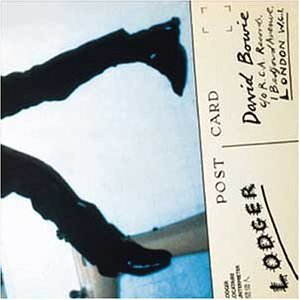
Lodger (1979)
Lodger, released in 1979 by :contentReference[oaicite:0]{index=0}, is often regarded as the most unconventional and misunderstood entry in his celebrated Berlin Trilogy. While it completes the artistic arc that began with Low and “Heroes”, the album deliberately moves away from the ambient soundscapes and introspective tone of its predecessors. Instead, Bowie embraces a more fragmented, restless, and globally influenced style that reflects a shifting artistic focus.
Rather than continuing the atmospheric instrumentals that defined much of the earlier Berlin work, Lodger returns to more traditional song-based structures—yet these are anything but straightforward. The compositions are often angular and unpredictable, blending art rock with elements drawn from world music, including African, Middle Eastern, and European influences. This eclectic approach gives the album a sense of movement and dislocation, as if each track exists in a different cultural and sonic landscape.
A crucial part of the album’s distinctive sound comes from Bowie’s continued collaboration with :contentReference[oaicite:1]{index=1}. Together, they pushed experimentation even further by employing unconventional recording techniques and creative constraints. Eno’s “Oblique Strategies” cards, for example, were used to disrupt traditional songwriting habits and encourage spontaneity. Musicians were often asked to play unfamiliar instruments or approach their parts in unusual ways, resulting in a raw, sometimes deliberately awkward energy that defines much of the record.
Lyrically, Lodger reflects Bowie’s growing fascination with themes of travel, identity, and cultural fragmentation. Songs frequently explore the perspective of outsiders, wanderers, and displaced individuals navigating unfamiliar environments. This thematic focus mirrors Bowie’s own experiences as a constantly moving artist, as well as the broader sense of global interconnectedness that was beginning to shape the late 1970s.
Tracks such as “Fantastic Voyage” and “DJ” highlight the album’s diversity, shifting between melodic introspection and satirical commentary on fame and media culture. Meanwhile, songs like “African Night Flight” push further into experimental territory, combining rhythmic intensity with fragmented vocals and disorienting structures. The result is an album that challenges expectations at every turn, refusing to settle into a single style or mood.
Upon its release, Lodger received a more mixed critical response compared to the other two albums in the trilogy. Some listeners found its lack of cohesion and absence of ambient instrumentals surprising, even confusing. However, over time, the album has been reassessed as a bold and forward-thinking work that anticipated later developments in world music, new wave, and experimental rock.
As the final chapter of the Berlin Trilogy, Lodger completes a journey of transformation. Where Low represented fragmentation and introspection, and “Heroes” explored tension and emotional release, Lodger expands outward, embracing movement, diversity, and a more global perspective. It captures an artist no longer retreating inward, but instead engaging with the wider world in all its complexity.
Though it may lack the immediate recognition of its predecessors, Lodger stands as an essential piece of Bowie’s artistic evolution. Its restless energy, experimental spirit, and thematic depth make it a fitting conclusion to one of the most innovative trilogies in modern music history.



Artistic philosophy
During the creation of the Berlin Trilogy, :contentReference[oaicite:0]{index=0} consciously rejected the spectacle and theatricality that had defined much of his earlier career. Instead of focusing on image, character, and commercial appeal, he shifted his attention toward process, experimentation, and artistic honesty. This period marked a deliberate move away from polished perfection toward something more raw, uncertain, and deeply exploratory.
Bowie embraced unpredictability in the studio, allowing accidents and spontaneous decisions to shape the final recordings. Working closely with :contentReference[oaicite:1]{index=1}, he adopted unconventional creative methods designed to disrupt routine thinking and challenge traditional songwriting structures. These approaches encouraged intuition over control, resulting in music that feels organic, evolving, and often deliberately unresolved.
Rather than prioritising clear narratives or lyrical accessibility, the Berlin albums focus on atmosphere, texture, and emotional nuance. Sound itself becomes the primary vehicle for expression. Fragmented structures, ambient passages, and minimalistic arrangements create a sense of ambiguity that invites interpretation rather than dictating meaning. In this way, Bowie redefined what a pop or rock album could be, opening the door to a more abstract and immersive listening experience.
This philosophy also reflected a broader personal shift. Bowie was not simply changing his sound—he was redefining his relationship with art, fame, and identity. By stepping away from expectations and embracing uncertainty, he created space for genuine reinvention, both creatively and personally.
Influence and legacy
The impact of the Berlin Trilogy extends far beyond its original release, shaping the evolution of multiple genres including post-punk, new wave, and electronic music. Artists across generations have cited these albums as pivotal influences, drawn to their fearless experimentation and emotional depth. The willingness to prioritise mood and texture over convention became a blueprint for countless musicians seeking to push boundaries.
Bands and producers in the late 1970s and 1980s, particularly within the emerging post-punk movement, found inspiration in Bowie’s ability to merge art and accessibility. His work during this period demonstrated that commercial music could still be innovative, challenging, and intellectually engaging without losing its emotional core.
More than just a stylistic phase, the Berlin Trilogy represents a fundamental belief at the heart of Bowie’s career: that reinvention is not superficial, but existential. Each album reflects a willingness to confront change, uncertainty, and transformation head-on. This enduring philosophy continues to resonate with artists and audiences alike, ensuring the trilogy’s place as one of the most important and influential bodies of work in modern music history.
Decades later, the legacy of these recordings remains unmistakable. From experimental pop to ambient sound design, the echoes of Bowie’s Berlin years can still be heard, proving that true innovation is timeless.