
David Bowie and America – The First American Journey

Photo: To be added / Editorial use
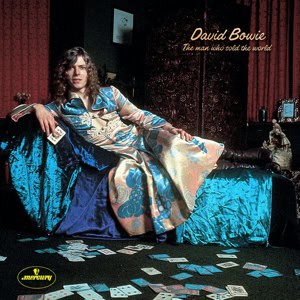
Before David Bowie conquered America as Ziggy Stardust, he first arrived in the United States as a virtually unknown artist searching for opportunity. In early 1971, Bowie travelled to America for the first time, hoping to attract attention from journalists, radio stations and the American music industry after the disappointing commercial performance of The Man Who Sold The World.
At the time, Bowie was still far from becoming an international superstar. He was a 24-year-old musician experimenting with image, theatre, fashion and identity while trying to establish himself outside Britain. America represented both fascination and possibility — a completely different cultural world from London.
These first American visits took place before Ziggy Stardust, before sold-out arenas and before Bowie fully transformed into one of the defining artists of the 1970s. Yet the seeds of that transformation were already visible during these early journeys through Washington D.C., New York, Los Angeles and Cleveland.
- Main years: 1971–1972
- Country: United States
- First arrival: 27 January 1971
- First American location: Washington D.C. area
- First U.S. tour: Ziggy Stardust Tour (1972)
- First U.S. concert: Cleveland Music Hall
- Era: Pre-Ziggy & early Ziggy Stardust
- Historical significance: Bowie’s first American breakthrough period
The First Arrival In America (1971)
David Bowie first arrived in the United States on January 27, 1971, landing at Dulles International Airport near Washington D.C. At the time he was still largely unknown in America and had travelled across the Atlantic in the hope of generating publicity for The Man Who Sold The World.
Mercury Records believed Bowie might find a more receptive audience in the United States than in Britain, where the album had failed commercially after its release in late 1970.
📅 1971-01-27
📍 Washington D.C. area, 🇺🇸 USA
🏛️ Dulles International Airport / Mercury promotional visit
🎤 Performer: David Bowie
🗒️ Bowie’s first arrival in the United States
Bowie’s appearance immediately attracted attention. Wearing a purple maxi-coat, white chiffon scarf and carrying clothing that challenged traditional gender expectations, Bowie already projected the androgynous visual identity that would later become central to Ziggy Stardust.
During his first evening in America, Bowie spent time with Mercury publicist Ron Oberman and his family in Silver Spring, Maryland. According to later recollections, Bowie discussed theatre, music and art while quietly observing American culture for the first time.
An Unknown Bowie In America
Unlike the later stadium-filling Bowie of the 1970s and 1980s, the artist arriving in America during early 1971 was still uncertain, experimental and commercially vulnerable.
He had not yet fully created Ziggy Stardust. Hunky Dory had not yet been released. Most Americans had never heard of him.
Yet Bowie already fascinated journalists and music insiders because of his intelligence, theatrical personality and unusual appearance. Even before major fame arrived, many people who met him sensed they were encountering somebody extraordinary.
Los Angeles And Iggy Pop (1971)
During the American trip, Bowie travelled across the country and eventually reached Los Angeles, where another historically important moment took place.
📅 1971-02-14
📍 Los Angeles, 🇺🇸 USA
🏛️ Paul Feign Party
🎤 Performer: David Bowie
🗒️ Bowie attended a party hosted by publicist Danny Goldberg and reportedly met Iggy Pop for the first time
This meeting would later become enormously significant in Bowie’s life. Bowie and Iggy Pop would develop one of the most important artistic friendships in rock history, particularly during the Berlin years later in the decade.
At the time, however, Bowie was still unable to officially perform due to visa restrictions connected to the visit.
The American Influence
Bowie’s first American journey deeply influenced him artistically. The trip exposed him to American rock culture, underground scenes, fashion, media and celebrity culture in a way that differed dramatically from Britain.
America fascinated Bowie because of its scale, contradictions and theatricality. These experiences would later shape many aspects of Ziggy Stardust, Young Americans, Diamond Dogs and several later Bowie personas.
Bowie also became increasingly interested in American performers such as Lou Reed and Iggy Pop, artists who embodied the darker and more dangerous side of American rock culture.
The First U.S. Tour – Ziggy Stardust Arrives (1972)
Everything changed in September 1972 when Bowie returned to America with Ziggy Stardust and the Spiders From Mars.
📅 1972-09-22
📍 Cleveland, Ohio, 🇺🇸 USA
🏛️ Cleveland Music Hall / Public Auditorium
🎤 Performer: David Bowie & The Spiders From Mars
🎵 Songs included: Life On Mars?, Space Oddity, Suffragette City
🗒️ Opening night of Bowie’s first American tour
This performance marked America’s first real encounter with Ziggy Stardust. Bowie appeared on stage with bright orange hair, theatrical costumes and a visual style unlike anything most American audiences had seen before.
Journalists immediately sensed something unusual was happening. Legendary Cleveland music critic Jane Scott later recalled that after the performance, reporters felt “a star was born that night.”
The success of the American tour helped transform Bowie from a cult British artist into an international phenomenon.
The Beginning Of An American Bowie
Bowie’s relationship with America would become one of the defining themes of his career. The country inspired him creatively, challenged him artistically and eventually helped turn him into one of the world’s biggest stars.
Yet all of it began quietly in early 1971: an unknown young musician arriving nervously at Dulles Airport, carrying unusual clothes, ambitious ideas and dreams of becoming something completely different.
“Before America discovered Ziggy Stardust, David Bowie first arrived as a complete unknown.”
Before Ziggy. Before fame. Before superstardom. There was America — waiting.