
Electric Lady Studios

Electric Lady Studios in Greenwich Village is one of the most important locations in David Bowie’s New York story. Originally built by Jimi Hendrix in 1970, the studio quickly became one of the most iconic recording environments in the world.
Bowie’s connection to Electric Lady spans more than four decades, linking his breakthrough in the United States to his final artistic statement.
🎚️ The “Young Americans” Era – 1975
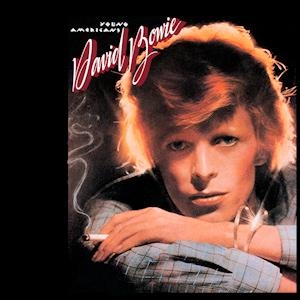
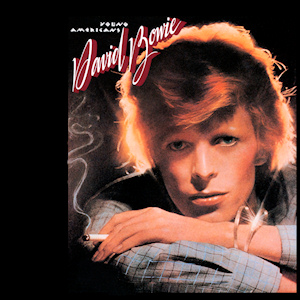
In early 1975, Bowie worked at Electric Lady Studios during the sessions for Young Americans, the album that marked his shift toward a soul-influenced sound. It was here that the track “Fame” was created — his first number-one hit in the United States.
The song was famously written during a spontaneous studio jam with Carlos Alomar and John Lennon. Lennon contributed guitar and distinctive backing vocals, helping shape the final recording. Bowie later admitted he had no idea the track would become such a major hit.
Session details – January 16, 1975:
Studio A, Electric Lady Studios, New York
Songs: “Fame” and “Across The Universe”
Bowie (guitar, vocal)
John Lennon (guitar, vocal)
Carlos Alomar (rhythm guitar)
Dennis Davis (drums)
Emir Ksasan (bass)
Producers: David Bowie & Harry Maslin
Engineer: Eddie Kramer
⭐ The Final Chapter – Blackstar


More than forty years later, Bowie returned to Electric Lady Studios to work on his final album, ★ (Blackstar), released in 2016.
Working with long-time collaborators and engineers such as Tom Elmhirst, Bowie used the studio’s unique sound and atmosphere to create one of the most complex and experimental works of his career — blending jazz, rock and avant-garde elements.
The sessions at Electric Lady became part of the final creative phase of his life, making the studio not just historically important, but emotionally significant within Bowie’s legacy.
🎵 Legacy
Electric Lady Studios connects two defining moments in Bowie’s career: the moment he conquered America with “Fame” in 1975, and the deeply personal and artistic farewell of Blackstar in 2016.
Few locations in New York capture Bowie’s journey as completely as this studio — from reinvention and experimentation to reflection and legacy.