

David Bowie – 23 Heddon Street (London)

Photo: Bob Egan / Pop Spots / CC BY-SA
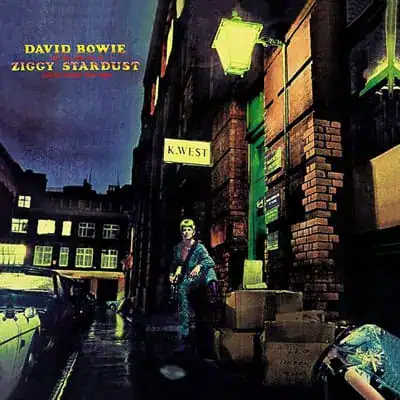
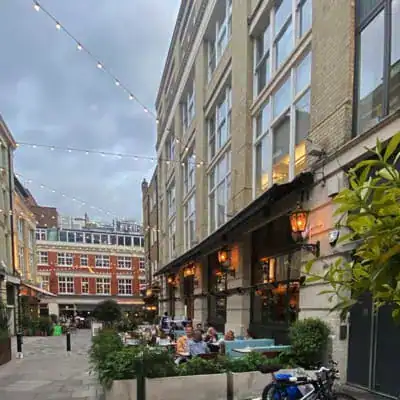
23 Heddon Street in London is one of the most iconic visual locations in David Bowie’s career. It is the spot where Bowie was photographed in January 1972 for the cover of The Rise and Fall of Ziggy Stardust and the Spiders from Mars.
The narrow Mayfair street became inseparable from the arrival of Ziggy Stardust, Bowie’s fictional alien rock star persona. What began as a practical photo shoot near photographer Brian Ward’s studio became one of the defining images in rock history.
- Location: 23 Heddon Street, Mayfair, London
- Photo shoot: January 1972
- Famous for: Ziggy Stardust album cover
- Photographer: Brian Ward
- Album cover colouring: Terry Pastor
- Plaque unveiled: March 2012
- Era: Rise of Ziggy Stardust
The Ziggy Stardust transformation


By early 1972, David Bowie had fully embraced the idea of Ziggy Stardust: a fictional rock star from another world, created as a vehicle for music, theatre, image and myth. The Heddon Street photo shoot gave that persona a visual identity before the album reached the public.
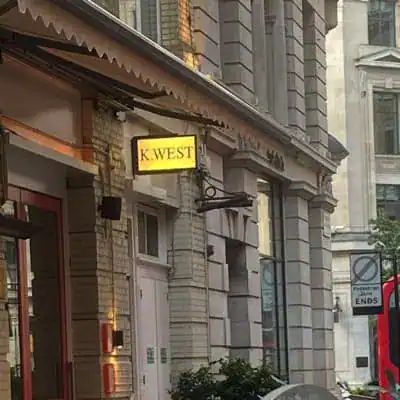
The famous cover image shows Bowie standing beneath the “K. West” sign on a cold, wet London night. The original photographs were shot in black and white by Brian Ward and later hand-coloured by artist Terry Pastor, giving the final sleeve its strange, dreamlike quality.
Why this location was chosen
Heddon Street was not selected because it was already famous. The choice was largely practical: Brian Ward’s studio was nearby, and the narrow street offered the right urban atmosphere, lighting and perspective for the cover shoot.
Bowie was reportedly unwell during the shoot, yet the resulting image captured exactly the mood needed for Ziggy Stardust — mysterious, theatrical and slightly unreal. The ordinariness of the street made the transformation even more powerful.
A street becomes iconic
After the release of The Rise and Fall of Ziggy Stardust and the Spiders from Mars, 23 Heddon Street gradually became a pilgrimage site for Bowie fans. The location was no longer just a quiet Mayfair backstreet; it became the place where Ziggy Stardust appeared to have landed.
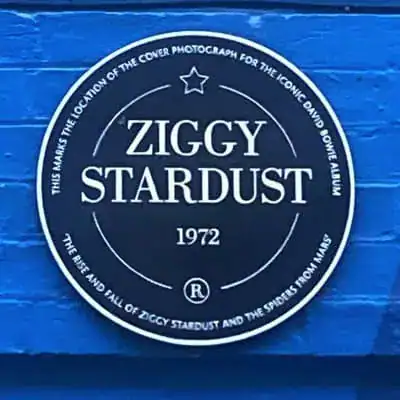
In March 2012, a commemorative plaque was installed at 23 Heddon Street by the Crown Estate, marking the importance of the site in Bowie’s cultural legacy. The unveiling was attended by figures connected to Bowie’s world, including members of the Ziggy Stardust circle.
The “K. West” sign


One of the most recognisable details on the album cover is the “K. West” sign above Bowie. The sign belonged to a furrier that occupied part of the building at the time and later became the subject of fan speculation.
Over the years, some fans imagined hidden meanings in the name, even though Bowie later explained that no mystical code had been intended. The original sign was eventually removed, but it remains one of the most famous background details in any Bowie image.
The red telephone box
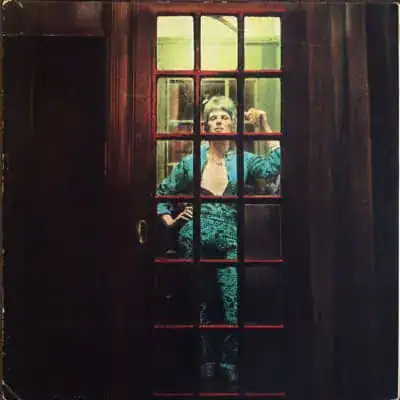
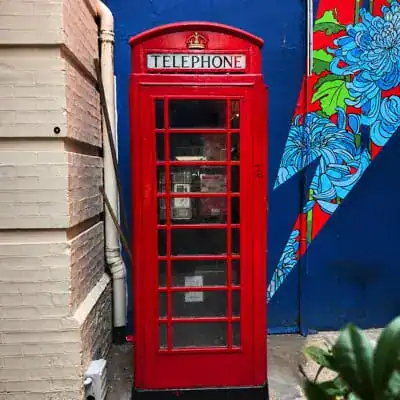
Another instantly recognisable detail from the Ziggy Stardust cover is the red London telephone box near 23 Heddon Street, just off Regent Street in Mayfair. The original 1972 telephone box disappeared decades ago, but a later replacement at the location continues to attract Bowie fans from around the world.
Today, the telephone box and surrounding street are often filled with messages, tributes and references left behind by visitors, reinforcing Heddon Street’s status as one of the most important pilgrimage sites in Bowie history.
The Heddon Street plaque
The plaque at 23 Heddon Street is unusual because it honours not only David Bowie, but also the fictional figure of Ziggy Stardust — a character who became so powerful that he entered cultural history almost as if he had been real.
Its placement confirms how important the album cover became: a single photograph transformed an ordinary London street into one of the most recognisable Bowie landmarks in the world.
Possible visual inspiration
Some writers have suggested that the atmosphere of the Ziggy Stardust cover may echo the look of Michael Powell’s 1960 film Peeping Tom, especially in its London street imagery and unsettling urban mood. This connection remains interpretive rather than definitive, but it fits the cinematic quality of Bowie’s visual world.
Whether or not the film directly influenced the cover, the final image captured the same kind of tension Bowie often used in his work: glamour mixed with danger, theatricality mixed with ordinary city life.
From location to legend
Unlike many other Bowie landmarks, 23 Heddon Street is not a concert venue, recording studio or former home. Its importance lies almost entirely in image and symbolism.
It represents the moment when music, costume, photography, character and myth came together to create one of the most influential artistic statements of the 1970s.
Video
The story behind the Ziggy Stardust cover and 23 Heddon Street
Historical significance
23 Heddon Street stands as one of the most important visual landmarks in David Bowie’s career. The location marks the public arrival of Ziggy Stardust as an image, not just a sound.
The street continues to attract Bowie fans from around the world and remains a permanent part of his London legacy.
Place within Bowie’s career
Within the broader timeline of Bowie’s career, 23 Heddon Street represents the breakthrough moment when Ziggy Stardust became fully visible. It connects directly to the album, the persona and the artistic transformation that pushed Bowie into international stardom.
From this single London street, Bowie’s image and identity travelled across the world, helping define one of the most recognisable eras in modern popular music.