

Zachary Alford – David Bowie Drummer for Outside, Earthling and The Next Day

Photo: Barbara Kinney / Wikimedia Commons / Public Domain Mark 1.0 (editorial use)
Zachary Alford is an American drummer known for his powerful, precise and highly adaptable playing style. He became an important part of David Bowie’s creative world during the experimental mid-1990s, and later returned for Bowie’s major studio comeback, The Next Day.
Alford’s Bowie work belongs mainly to the Outside, Earthling and The Next Day eras. His drumming helped connect Bowie’s art-rock past with the harder, darker and more rhythmically modern sound Bowie explored from the mid-1990s onward.
- Name: Zachary Alford
- Born: Publicly reported date varies; not listed here as definitive
- Role: Drummer
- Bowie link: Outside era, Outside Tour, Earthling, Earthling Tour, The Next Day
- Core idea: Power, precision, groove and modern rhythmic tension
A modern drummer for Bowie’s 1990s reinvention
Zachary Alford entered Bowie’s orbit during one of the most adventurous periods of the singer’s later career. After the commercial and stylistic shifts of the 1980s and the hard reset of Tin Machine, Bowie moved into a darker, more conceptual sound world with Outside. Alford’s drumming gave this period a physical force that matched the music’s uneasy atmosphere.
Rather than simply recreating familiar Bowie arrangements, Alford helped drive a tougher, more contemporary live sound. His playing was direct, controlled and muscular, but it also left space for Bowie’s voice, Mike Garson’s piano, Reeves Gabrels’ guitar textures and Gail Ann Dorsey’s bass work.
The Outside Tour and Nine Inch Nails
Alford was part of Bowie’s Outside touring band in 1995, including the bold and sometimes challenging North American shows with Nine Inch Nails. This was not a nostalgia tour. Bowie deliberately placed new and darker material in front of an audience that was not always expecting him, forcing the music to prove itself in the moment.
In that setting, Alford’s drumming was essential. Songs from Outside needed tension, impact and discipline, while older pieces such as Scary Monsters and Hallo Spaceboy demanded a more aggressive modern edge. Alford gave Bowie a rhythmic foundation that could survive the pressure of following Nine Inch Nails on stage.
Earthling: live drums meet electronic pressure
Alford’s Bowie role became even more important during the Earthling period. The album was shaped by drum & bass, jungle, industrial rock and electronic programming, but it still needed the force of a real band. Alford’s contribution helped bridge live drumming and programmed rhythmic language.
On Earthling, Bowie did not simply imitate contemporary electronic music. He pulled it into his own vocabulary. Alford’s playing supported that idea by adding human attack, swing and weight to music that was deliberately fast, fragmented and restless.
Tao Jones Index and the experimental edge
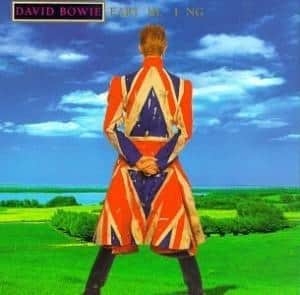
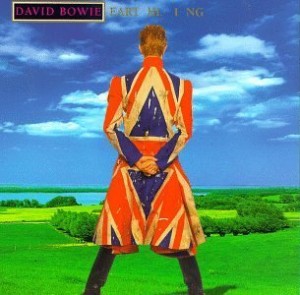
The Earthling era also included Bowie’s short-lived experimental side project Tao Jones Index , in which members of the live band performed dance-oriented versions of Bowie material in a stripped-down, semi-anonymous setting.
Rather than a conventional rock performance, Tao Jones Index blurred the line between live band, club experiment and electronic performance art — exactly the kind of territory Bowie loved exploring in the Earthling period.
Alford’s involvement in this period shows how far Bowie was willing to push the relationship between rock performance, club culture and electronic rhythm. His drumming helped anchor these experiments while still leaving room for improvisation and machine-like repetition.
This side of Bowie’s 1990s work is sometimes overlooked, but it reveals why a drummer like Alford mattered. He could play with the power of a rock drummer while also understanding the precision and repetition required by dance-based music.
The Next Day and Bowie’s late studio return
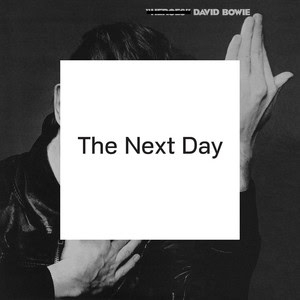
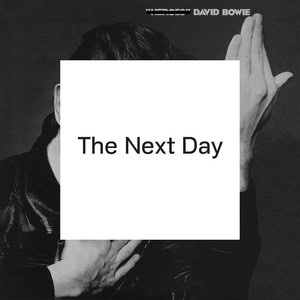
Alford returned for Bowie’s remarkable comeback album The Next Day, released in 2013 after years of public silence. The sessions were famously secretive, with musicians called in quietly and the project kept out of public view until Bowie chose to reveal it.
Recorded largely at New York’s Magic Shop, the album marked Bowie’s unexpected artistic return and reunited him with trusted collaborators, including Alford. The sessions were deliberately low-profile, heightening the mystery that surrounded the project until Bowie revealed it to the world.
His presence on The Next Day connected Bowie’s exploratory 1990s work with the singer’s final studio renaissance. Alford’s drumming on this later material is less about display and more about strength, momentum and trust: the kind of playing that supports songs without overwhelming them.
That made his contribution especially significant — not simply as a returning sideman, but as part of the continuity linking Bowie’s experimental middle period to one of the strongest late-career albums in modern rock.
Working with Bowie
In later interviews, Alford described Bowie as friendly, curious and deeply engaging. He remembered Bowie as someone who gave musicians freedom while also keeping a clear artistic direction. That balance was one of Bowie’s great strengths: he chose distinctive players, then allowed them enough space to bring something personal to the music.
Alford’s memories of Bowie also underline the human side of the collaboration. Away from the stage, Bowie could discuss art, history, science and culture with the same intensity that he brought to music. For Alford, the experience was not only a professional milestone but also a personal encounter with one of modern music’s most imaginative figures.
Beyond Bowie
Zachary Alford’s career reaches well beyond his Bowie connection. He made an early international impact with The B-52’s, worked with Bruce Springsteen in the early 1990s, and later became associated with The Psychedelic Furs. These collaborations show his wide musical range: new wave, rock, post-punk, pop and more rhythmically complex modern material.
That range explains why Bowie could use him so effectively. Alford was not limited to one musical identity. He could support a pop song, attack a rock arrangement, follow experimental structures and lock into grooves influenced by funk, soul and electronic music.
Zachary Alford in Bowie’s creative universe
In Bowie’s creative universe, Zachary Alford represents the drummer as a modern engine: powerful, disciplined, alert and adaptable. He helped Bowie’s music move through the darker Outside period, the kinetic Earthling era and the late-career return of The Next Day.
His contribution is not defined by one famous single moment, but by the way he helped Bowie sound alive in periods of change. For a musician whose career was built on reinvention, that kind of rhythmic partner was invaluable.
Zachary Alford with David Bowie live