
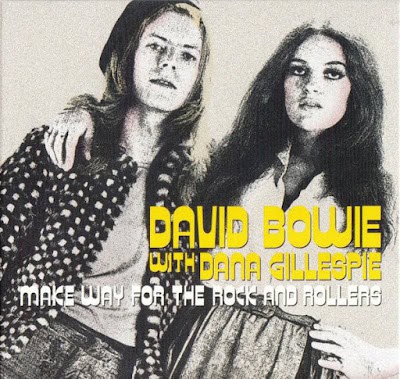
Dana Gillespie – Early Muse and Close Collaborator of David Bowie
Dana Gillespie is a British singer-songwriter and actress whose close personal and creative relationship with David Bowie during the late 1960s played a significant role in his formative artistic years. At a time when Bowie was still searching for a stable musical identity, Gillespie was both collaborator and confidante.
Their relationship was marked by artistic exchange rather than conventional collaboration, placing Gillespie among the most influential figures in Bowie’s early London circle.
- Born: 1949, London, England
- Occupations: Singer-songwriter, actress
- With Bowie: 1966–1969
- Associated scene: London underground
Early career
Dana Gillespie began her career as a teenage folk singer, releasing her first recordings in the mid-1960s. Immersed in London’s countercultural scene, she quickly became connected to musicians, filmmakers and artists experimenting beyond mainstream pop conventions.
Meeting David Bowie
Gillespie met David Bowie in the mid-1960s, and the two soon developed a close personal relationship. Bowie introduced her to key figures in the London arts scene, while Gillespie exposed Bowie to alternative cultural influences that extended beyond music alone.
Shared artistic environment
During their time together, Bowie wrote songs for Gillespie and helped guide her artistic direction. Their exchange of ideas — spanning music, fashion and performance — coincided with Bowie’s transition from mod pop into more experimental territory.
Creative influence
Although Gillespie did not feature prominently on Bowie’s recordings, her impact on his development was substantial. She embodied a sense of artistic independence and unconventional femininity that resonated deeply with Bowie’s emerging worldview.
After Bowie
Following the end of their relationship, Dana Gillespie continued to record and perform, later embracing blues, folk and spiritual music. She also pursued acting and stage work, maintaining a diverse artistic career independent of her early associations.
Legacy
Dana Gillespie remains an essential figure in understanding David Bowie’s early evolution. Rather than a footnote collaborator, she represents a formative presence — someone who helped shape the emotional and cultural landscape from which Bowie’s later breakthroughs would emerge.