

Tony Visconti – Bowie’s Sonic Architect and Longtime Producer
Photo: Unknown photographer / Wikimedia Commons / CC BY-SA 4.0 (editorial use)
Tony Visconti belongs to the very small circle of collaborators who did not simply work with David Bowie, but helped define how Bowie sounded. More than a producer, he was Bowie’s sonic architect, confidant and creative sparring partner — someone who often understood Bowie’s next move before it had fully taken shape.
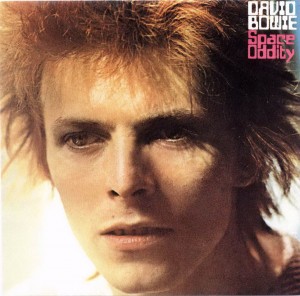
Across nearly five decades, their collaboration became one of the most influential creative partnerships in modern music, stretching from the Space Oddity era to Bowie’s final masterpiece Blackstar.
- Born: April 24, 1944, Brooklyn, New York
- Role: Producer, arranger, bassist, sonic innovator
- Active with Bowie: 1968–2016
- Bowie connection: Principal producer and long-term sonic collaborator
Early collaboration and shared ambition
Tony Visconti began working with Bowie in the late 1960s when Bowie was still searching for a distinctive artistic identity. Visconti immediately recognised a songwriter determined to move beyond conventional pop structures.
Their earliest work already showed a willingness to merge theatricality, folk, hard rock and avant-garde ideas — impulses that would later define Bowie’s entire career.
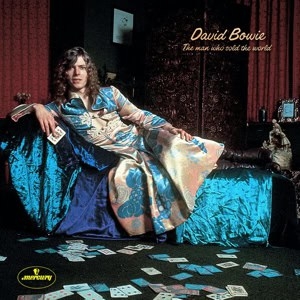
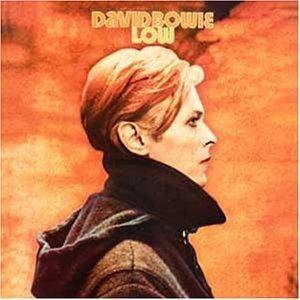
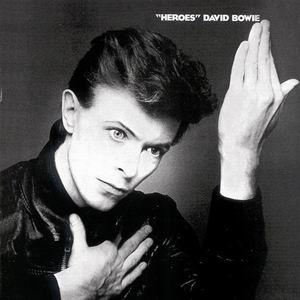
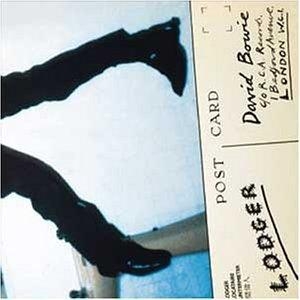
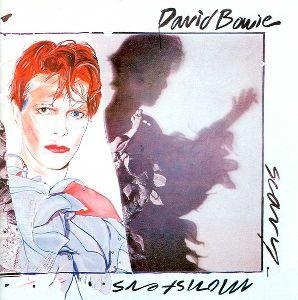
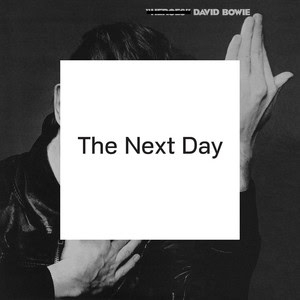
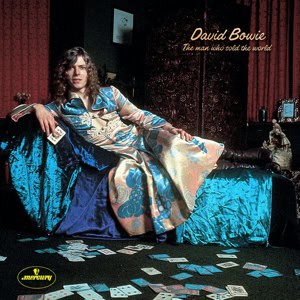
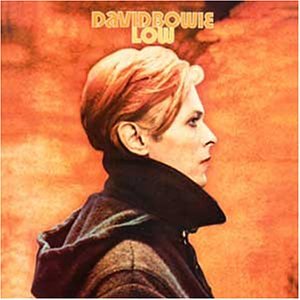
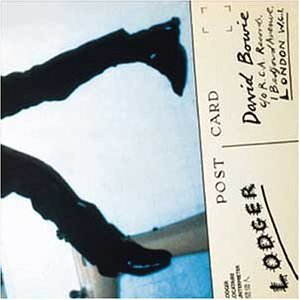
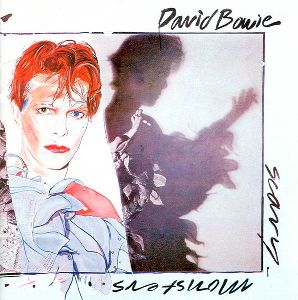
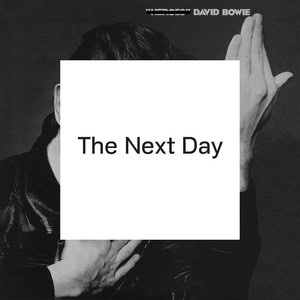
Among the Bowie albums produced or co-produced by Visconti are Space Oddity, The Man Who Sold the World, Young Americans (early sessions), Low, “Heroes”, Lodger, Scary Monsters, Heathen, Reality, The Next Day and Blackstar.










The Hype and early theatrical experiments

Video: David Bowie & The Hype
-
Video: David Bowie & The Hype
From The Last Five Years. A snippet of The Supermen being performed live by The Hype.
Before glam rock fully emerged, Bowie, Tony Visconti and Mick Ronson briefly performed as The Hype — an audacious prototype for much of what would later become Ziggy Stardust.
Appearing in striking superhero-like costumes, the group fused rock performance with theatre, identity play and visual provocation years ahead of its time. Visconti himself appeared as “Hypeman,” underlining how closely he was involved not only in Bowie’s recordings, but in shaping Bowie’s early performance mythology.
Though short-lived, The Hype was crucial: it marked an early blueprint for Bowie’s future reinventions.
The Berlin Trilogy and sonic reinvention
With Low (1977), Bowie and Visconti helped create an entirely new sonic language: minimal rhythms, fractured structures, ambient textures and electronic atmospheres far ahead of their time.
Visconti’s use of the Eventide Harmonizer — the device he jokingly described as “messing with the fabric of time” — transformed drums and vocals into futuristic textures.
Although Brian Eno is often credited as co-architect of these albums, Visconti remained the principal producer and recording architect, a distinction frequently overlooked.
The Berlin period was not merely experimentation. It redefined what art-rock production could be.
“Heroes” and technical innovation
On “Heroes”, Visconti co-created one of the most famous vocal recordings in rock history.
Using three microphones placed at increasing distances, triggered dynamically as Bowie sang louder, he created the vast, expanding vocal sound that defines the song.
This was not studio trickery for its own sake, but innovation in service of emotional drama. The production itself became part of the song’s mythology.
Lodger and the trilogy completed
With Lodger (1979), the Berlin Trilogy reached its most restless and deconstructive phase. Though recorded largely outside Berlin, the album completed the trilogy’s artistic arc.
Where Low explored fragmentation and “Heroes” expanded atmosphere, Lodger pushed toward dislocation, world-music textures and unconventional song structures.
Visconti’s production balanced experimentation and rhythm, while Bowie and Brian Eno used oblique methods and disrupted musical habits to generate surprising results.
Songs such as Fantastic Voyage, DJ and Boys Keep Swinging showed that avant-garde ideas could coexist with sharp songwriting. Many critics now see Lodger as the trilogy’s most underrated chapter.
Later periods and renewed clarity
Visconti returned as a crucial stabilising force on Scary Monsters (And Super Creeps), keeping Bowie’s restless experimentation disciplined and razor-sharp.
Decades later he helped shape Bowie’s extraordinary late resurgence through Heathen, Reality, The Next Day and ultimately Blackstar.
Blackstar and the final statement
On Blackstar, Visconti helped fuse jazz improvisation, experimental rock and dark electronics into Bowie’s final radical reinvention.
He also played a key curatorial role in encouraging Bowie’s collaboration with Donny McCaslin’s jazz ensemble — central to the album’s daring and unpredictable sound.
Rather than filling space, Visconti’s production uses tension, silence and ambiguity. That restraint became essential to the album’s emotional power.
Artistic trust and freedom
What set Visconti apart was his refusal to impose formulas. Instead, he protected Bowie’s appetite for reinvention.
He listened, challenged and adapted — understanding that Bowie’s identity was rooted in perpetual change. That trust made experimentation possible.
Place within Bowie’s universe
Within Bowie’s creative universe, Tony Visconti is the quiet red thread connecting eras, styles and transformations.
Without Visconti, Bowie’s catalogue would sound fundamentally different — and likely far less groundbreaking.
Red Bull Music Academy reflections
In his celebrated 2011 Red Bull Music Academy lecture, Visconti offered rare firsthand insight into Bowie, Berlin, recording philosophy and studio invention, confirming how much of Bowie’s sonic mythology was born through risk, improvisation and technical imagination.
Those reflections only reinforce his place not simply as collaborator, but as one of rock’s great producer-authors.