
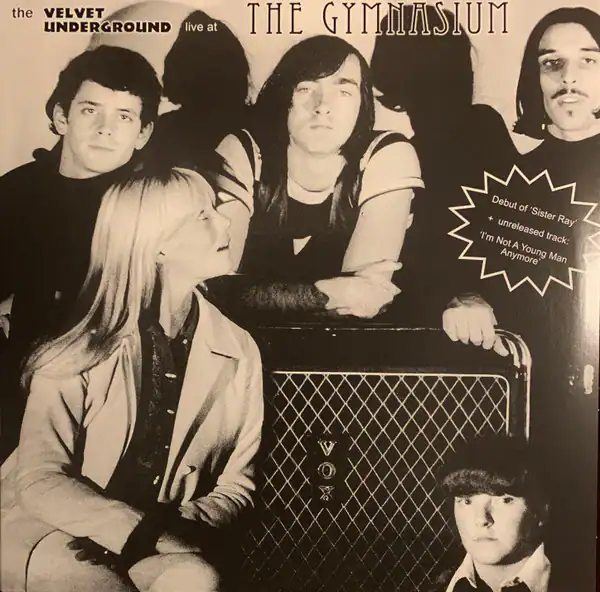
The Velvet Underground
The Velvet Underground were one of the most influential and uncompromising bands in the history of rock music. Although their commercial impact during the 1960s was limited, their artistic legacy shaped entire generations of musicians — including David Bowie.
Bowie regarded the band, and particularly Lou Reed, as a formative influence, both musically and philosophically, embracing their outsider stance, lyrical directness and avant-garde sensibility.
- Formed: 1964, New York City
- Key members: Lou Reed, John Cale, Sterling Morrison, Maureen Tucker
- Associated artist: Andy Warhol
- Bowie connection: Musical influence, production and advocacy
Origins and artistic vision
Emerging from New York’s experimental art scene, The Velvet Underground fused rock music with themes previously considered taboo: drug use, sexual ambiguity, urban alienation and emotional detachment. Their work rejected psychedelic escapism in favour of stark, confrontational realism.
Andy Warhol and the Factory
Under the patronage of Andy Warhol, the band became a central feature of the Factory scene. Warhol’s influence encouraged the Velvets to treat music as conceptual art, embracing repetition, minimalism and provocation.
Musical innovation
The Velvet Underground’s sound combined distorted guitars, drones, viola, deadpan vocals and hypnotic rhythms. Albums such as The Velvet Underground & Nico and White Light/White Heat laid the groundwork for punk, post-punk, alternative rock and experimental pop.
Impact on David Bowie
David Bowie openly acknowledged the Velvet Underground as a decisive influence during his formative years. Their fearless approach to identity and lyrical honesty resonated deeply with Bowie’s own emerging artistic vision.
Bowie later played a direct role in supporting Lou Reed’s solo career, producing Transformer in 1972 — an album that introduced Reed’s work to a global audience.
Shared themes
Both Bowie and the Velvet Underground explored marginal identities, urban decay and the tension between beauty and nihilism. Bowie adapted these themes into his own theatrical and shape-shifting persona, translating underground sensibilities into mainstream culture.
Legacy
Though commercially overlooked in their early years, The Velvet Underground are now recognised as one of the most important bands of the twentieth century. Their influence extends far beyond music, shaping fashion, performance art and cultural attitudes.
For David Bowie, the Velvet Underground represented proof that radical art could survive — and eventually thrive — within popular culture.