
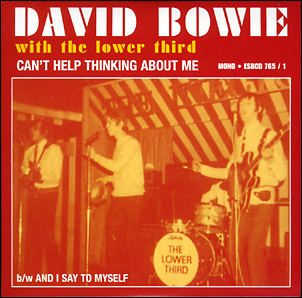
Phil Lancaster (The Lower Third)
Phil Lancaster was the bassist for The Lower Third, the London-based mod band fronted by David Bowie during 1965.
The Lower Third represent a key moment in Bowie’s early development: a move away from straight rhythm & blues toward original songs, sharper image control, and a more modern pop sensibility.
- Name: Phil Lancaster
- Band: The Lower Third
- Role: Bass guitar
- With Bowie: 1965
- Era: Mod / post-R&B transition
- Key release: “You’ve Got a Habit of Leaving” (1965)
Where Phil Lancaster fits in Bowie’s timeline
Phil Lancaster’s place in Bowie’s story sits at a decisive turning point. By 1965, Bowie had already passed through several R&B-focused bands and was actively seeking a sound and identity that felt contemporary and self-defined.
The Lower Third became the vehicle for this shift, combining mod aesthetics with Bowie’s growing confidence as a songwriter.
The Lower Third and the mod sound
Unlike Bowie’s earlier R&B groups, The Lower Third leaned toward a leaner, more aggressive mod sound. The emphasis was on punchy arrangements, image, and original material rather than extended blues workouts.
Phil Lancaster’s bass playing helped anchor this approach, providing a tight, driving foundation that supported the band’s urgency and Bowie’s sharper vocal delivery.
Key recording: “You’ve Got a Habit of Leaving”
The Lower Third’s single “You’ve Got a Habit of Leaving” (1965) stands as one of the earliest records to clearly present Bowie as a songwriter with intent rather than an interpreter of existing styles.
Lancaster’s bass contributes to the song’s propulsive feel, reinforcing its restless energy and sense of forward motion.
The end of the band
Despite growing artistic clarity, The Lower Third struggled to gain commercial traction. As with Bowie’s earlier bands, momentum stalled and the group eventually dissolved.
Bowie soon moved on again, briefly forming The Buzz before continuing toward a solo career that would soon take precedence over band identities.
Historical importance
Phil Lancaster’s role may seem modest in retrospect, but it is structurally important. The Lower Third represent the moment when Bowie learned how to lead a band built around his own songs and image.
Without this phase, Bowie’s later confidence as a solo artist would have been far less assured.