
Alan Parker – Session Guitarist on David Bowie’s Scary Monsters Era
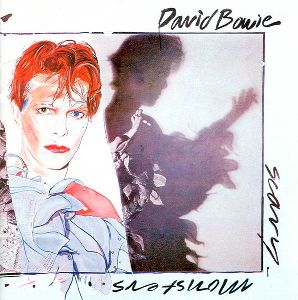
David Bowie Scary Monsters (and Super Creeps) (1980)
Alan Parker was a highly respected British session guitarist, active from the late 1960s through the 1980s, whose precise, adaptable playing made him a first-call musician for producers working at the cutting edge of British pop and rock.
In David Bowie’s career, Parker is most closely associated with the transitional period surrounding Scary Monsters (and Super Creeps) (1980), an album that bridged Bowie’s experimental 1970s work and the sharper, more modern sound of the 1980s.
- Name: Alan Parker
- Born: 26 August 1944 (London, England)
- Died: 26 April 2020 (England)
- Role: Session guitarist
- Bowie link: Guitar work during the Scary Monsters era (1980)
- Core idea: Precision, texture, studio adaptability
A master of the British session scene
Alan Parker built his reputation as one of Britain’s most reliable and versatile session guitarists. He was known for his ability to move effortlessly between rock, pop, funk, and experimental studio work, always serving the needs of the song rather than drawing attention to himself.
His career included work for major artists, film soundtracks, and television, making him a familiar but often uncredited presence on countless recordings.
David Bowie at a crossroads
When Bowie entered the studio for Scary Monsters (and Super Creeps), he was emerging from the fragmented experimentation of the Berlin period and reasserting a sharper, more aggressive musical identity.
The album demanded musicians who could handle complexity, tension, and stylistic contrast — qualities that made Parker an ideal contributor.
Guitar texture on Scary Monsters
Parker’s contribution fitted into a dense guitar landscape that also included the striking, angular playing of Robert Fripp. Where Fripp provided dramatic, fractured lead lines, Parker supplied structure, rhythm, and controlled tonal colour.
This balance helped give Scary Monsters its distinctive sound: aggressive yet disciplined, experimental yet accessible.
Serving the song, not the spotlight
Unlike many guitarists associated with Bowie, Alan Parker was not a touring band member or a visible persona. His role was firmly rooted in the studio, where reliability and musical intelligence mattered more than image.
Bowie consistently valued musicians who could translate complex ideas into finished recordings — a role Parker fulfilled with quiet professionalism.
Legacy
Alan Parker’s legacy lies in the recordings themselves rather than in fame. His work on Bowie’s early-1980s material forms part of the foundation that allowed Bowie to transition successfully into a new decade.
In Bowie’s creative universe, Parker represents the elite session musicians whose technical mastery and musical restraint helped realise Bowie’s vision at critical turning points.