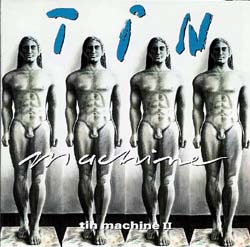
Tin Machine – David Bowie’s Radical Band Experiment (1988–1992)
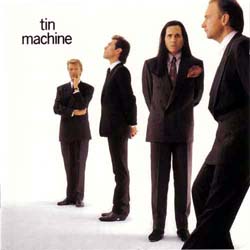
Tin Machine was the hard-edged rock band formed by David Bowie in 1988 together with guitarist Reeves Gabrels and brothers Tony Fox Sales and Hunt Sales. The project represented a deliberate rejection of Bowie’s established solo persona and a radical attempt to reset his creative identity.
Rather than presenting Tin Machine as a “David Bowie project”, Bowie insisted on full band equality — no frontman hierarchy, no hit singles strategy, and no nostalgic references to his past work.
- Active: 1988–1992
- Albums: Tin Machine (1989), Tin Machine II (1991)
- Genres: Hard rock, alternative rock, art rock
- Purpose: Creative reset and rejection of solo stardom
Why Tin Machine existed
By the late 1980s, David Bowie had grown deeply dissatisfied with his position as a global pop celebrity. Despite commercial success, he felt creatively constrained by expectations, image, and the machinery surrounding his solo career.
Tin Machine was conceived as an antidote: loud, confrontational, politically charged and intentionally abrasive. Bowie wanted to disappear inside a band — to be challenged rather than revered.
Sound and ideology
Musically, Tin Machine drew from hard rock, punk energy, industrial textures and emerging alternative scenes. Lyrically, the band tackled subjects such as abuse of power, media manipulation, sexuality, violence and social decay.
The project deliberately rejected polish. Live performances were raw and aggressive, often abandoning Bowie’s earlier theatrical elegance in favour of physical intensity.
David Bowie – voice within a band
In Tin Machine, Bowie intentionally suppressed his status as a star. He shared songwriting credits equally, avoided solo billing and allowed other members to dominate arrangements.
Vocally, Bowie adopted a harsher, more shouted delivery, aligning himself with post-punk and alternative vocal styles rather than classic crooning or theatrical phrasing.
Reeves Gabrels – sonic architect
Guitarist Reeves Gabrels became the defining musical voice of Tin Machine. His playing combined extreme distortion, unconventional tunings, feedback manipulation and extended techniques rarely heard in Bowie’s earlier work.
Gabrels challenged Bowie constantly, refusing to defer to his legacy. This creative friction would later become essential to Bowie’s 1990s renaissance.
Tony Fox Sales – bass and attitude
Tony Fox Sales brought a heavy, muscular bass style rooted in hard rock and punk. His playing anchored Tin Machine’s aggressive sound and provided a physical foundation for the band’s confrontational identity.
Sales also contributed to the band’s outspoken, anti-authoritarian stance, reinforcing Tin Machine’s rejection of traditional rock hierarchies.
Hunt Sales – drums and volatility
Drummer Hunt Sales supplied Tin Machine with relentless rhythmic force. His style was explosive and unpredictable, often pushing songs toward controlled chaos rather than tight precision.
Hunt’s drumming emphasized physical momentum over technical restraint, amplifying the band’s raw, confront
Tin Machine Albums